
This guide covers everything about Mechanical vs Quartz Watches: Which Investment Holds More Value in 2026?. In 2026, investment potential of mechanical versus quartz watches remains a key consideration for collectors and astute buyers. While mechanical watches are often celebrated for their intricate craftsmanship, heritage, and potential for long-term value appreciation, quartz watches continue to dominate in terms of affordability, precision, and low maintenance. This guide explores the nuances of each type, offering insights into their investment value and market position as of April 2026.
Last updated: April 18, 2026
Latest Update (April 2026)
Recent market analyses, such as those by Market Growth Reports, indicate continued shifts in the wrist watch market. While traditional mechanical watches from established luxury brands maintain a strong collector base, there’s a growing interest in specific segments, including solid field watches, as highlighted by comparisons like Hamilton Khaki vs. Timex Expedition from Two Broke Watch Snobs. Conversely, the Deloitte 2025 Report on the Swiss Watch Industry noted a general decline in traditional watch sales, a trend that continues to influence investment strategies in 2026. As reported by Monochrome Watches, some brands historically focused on quartz movements are now exploring or reintroducing mechanical options, reflecting a dynamic market response to collector preferences and a desire to capture value in heritage-driven timepieces.
What Are Mechanical Watches and Why Invest?
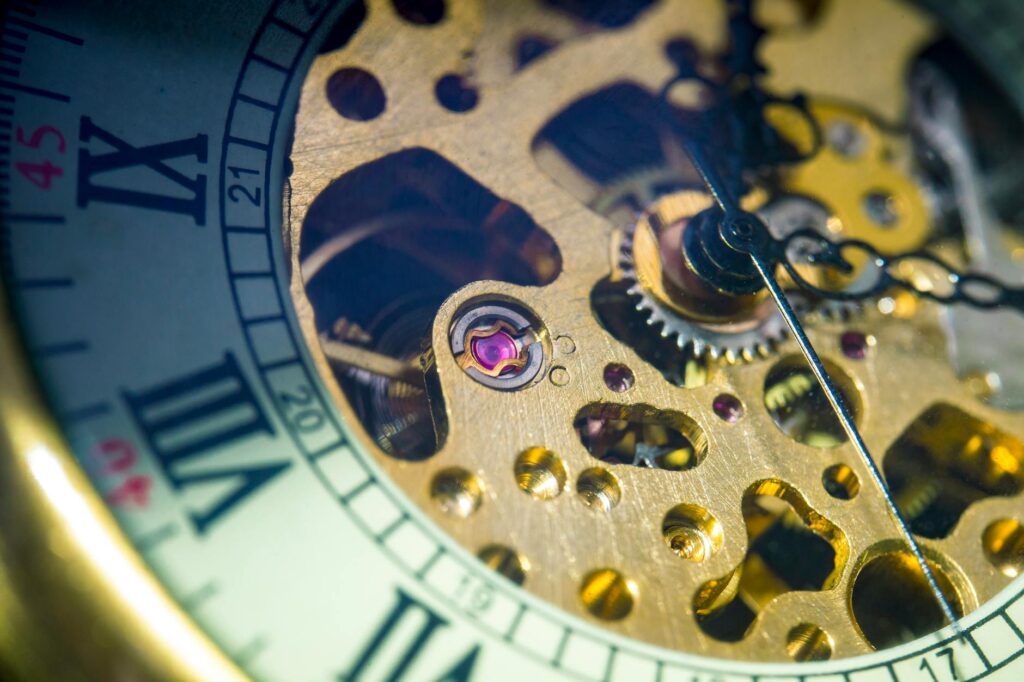
Mechanical watches are celebrated for their complex inner workings, powered by a meticulously crafted system of springs, gears, and levers, rather than a battery. This intricate engineering is what draws many collectors. The primary power source is a mainspring — which is either wound manually by the wearer or automatically through the motion of the wrist (an automatic movement). The mesmerizing ‘heartbeat’ of the second hand, a smooth sweep rather than a distinct tick, is a hallmark of mechanical timepieces and a significant part of their appeal. Brands like Rolex and Patek Philippe are especially revered, not just for their historical significance and exceptional build quality, but also for their proven track record of appreciating in value over time. Owning a mechanical watch is often seen as an investment in artistry and legacy, with the potential for these timepieces to become cherished heirlooms that store and grow wealth over decades.
How Do Quartz Watches Compare in Precision?
Quartz watches represent a different philosophy in timekeeping, prioritizing accuracy and accessibility. Powered by a battery that sends an electrical current through a tiny quartz crystal, causing it to vibrate at a precise frequency, these watches are accurate. Users report that quartz watches typically deviate only about 15 seconds per month, a stark contrast to the daily variability inherent in mechanical movements. This superior accuracy, coupled with their lower cost and minimal maintenance requirements (usually just a battery change every few years), makes them an excellent choice for everyday wear and for those who value unwavering reliability. However, this focus on functional precision generally means that quartz watches, with a few notable exceptions in limited editions or specific design contexts, don’t typically appreciate in value as investments in the same way that high-end mechanical watches do.
Mechanical vs. Quartz: A Comparative Overview
The fundamental differences between mechanical and quartz watches impact their performance, maintenance, and investment potential. Understanding these distinctions is vital for making an informed decision in 2026.
| Feature | Mechanical | Quartz |
|---|---|---|
| Power Source | Mainspring (Manual winding or Automatic movement) | Battery |
| Movement | Smooth, continuous sweep of the second hand | Distinct ticking at one-second intervals |
| Accuracy | Typically +/- 5 to 15 seconds per day | Typically +/- 15 seconds per month |
| Maintenance | Requires periodic servicing (every 3-5 years) | Requires battery replacement every 2-5 years |
| Investment Value | Potential for high appreciation, especially from renowned brands | Generally functional value; limited appreciation potential |
| Durability (Shock Resistance) | Can be more susceptible to shocks, though modern designs mitigate this | Generally more shock-resistant due to fewer moving parts |
Why Does Heritage Matter in Watch Investments?
The heritage and historical significance of a watch brand play a substantial role in its investment value. Mechanical watches from prestigious houses like Patek Philippe, Audemars Piguet, and Rolex carry a legacy of innovation, craftsmanship, and exclusivity that drives demand among collectors and investors. These brands have consistently produced timepieces that not only perform exceptionally but also hold their value, and often increase it, over the long term. As Monochrome Watches has explored, the narrative and history behind a mechanical watch add layers of desirability that purely functional quartz pieces often lack. While quartz technology has advanced, its relatively shorter history and reliance on electronic components that can become obsolete mean that most quartz watches are unlikely to achieve the same investment status as their mechanical counterparts. The enduring appeal of mechanical watches lies in their mechanical soul and the continuous story of horological excellence they represent.
What Influences Durability and Material Value in Watches?
Durability in watches is influenced by several factors, including the movement type, casing materials, and overall construction. While quartz watches often possess an inherent advantage in shock resistance due to their simpler construction and fewer delicate moving parts, the materials used in high-end mechanical watches often contribute to their longevity and resale value. The choice of metals, such as 904L stainless steel favored by Rolex for its exceptional corrosion resistance and polishability, or precious metals like gold and platinum, directly impacts a watch’s intrinsic value and its appeal on the secondary market. Experts note that the purity and quality of these casing materials are critical considerations for investors. Beyond the case, the sapphire crystal used in many luxury watches offers superior scratch resistance compared to the mineral crystals found in some quartz models, further enhancing durability. The overall build quality, water resistance ratings, and the reputation of the manufacturer for producing solid timepieces all contribute to a watch’s ability to withstand the test of time, both physically and in terms of market desirability.
Market Trends and Investment Outlook for 2026
The wrist watch market in 2026 is characterized by a bifurcation of demand. According to Market Growth Reports, the luxury mechanical watch segment continues to show resilience, driven by a global clientele seeking tangible assets and pieces of horological art. The pre-owned market for iconic mechanical models remains especially strong, with certain references from brands like Rolex and Patek Philippe fetching prices well above their original retail value. This sustained interest is fueled by a combination of scarcity, brand desirability, and the growing recognition of watches as alternative investments. Reports from sources like Deloitte have previously indicated shifts, but the enduring appeal of mechanical craftsmanship ensures its place in the investment portfolio for many. But — the mass market for quartz watches remains solid due to their affordability and accuracy, but this segment is less about investment appreciation and more about practical timekeeping. As Monochrome Watches has observed, there’s also a fascinating trend of brands historically known for quartz expanding into mechanical offerings, signaling a market seeking to capitalize on the perceived value and heritage associated with mechanical movements.
Frequently Asked Questions
Is one type of watch easier to maintain?
Generally, quartz watches are easier and less expensive to maintain. They typically require only a battery change every two to five years. Mechanical watches, however, require periodic professional servicing, usually every three to five years — which involves cleaning, lubricating, and regulating the intricate movement. This servicing can be costly.
Are mechanical watches more valuable in the long term?
Yes, typically. Mechanical watches from established luxury brands with a history of quality and desirability have a much higher potential to increase in value over the long term compared to most quartz watches. Their value is driven by craftsmanship, rarity, brand prestige, and collector demand.
Which watch type is more accurate?
Quartz watches are more accurate than mechanical watches. They can maintain precision to within about 15 seconds per month, while mechanical watches may gain or lose several seconds per day, even with regular servicing.
Do mechanical watches require winding?
Most mechanical watches require winding. Manual-wind models need to be wound by hand daily or every few days. Automatic (or self-winding) models are wound by the motion of the wearer’s wrist, but may require manual winding if not worn regularly.
Can quartz watches be repaired indefinitely?
While quartz watches are generally reliable, their repairability can be limited over the very long term. The electronic components, such as circuits and motors, can become obsolete or difficult to source, especially for older or less common models. Mechanical watches, with their more traditional and modular components, are often considered more repairable and serviceable by watchmakers over extended periods.
Conclusion
As of April 2026, the choice between mechanical and quartz watches for investment hinges on differing priorities. Mechanical watches, with their rich heritage, intricate engineering, and proven track record of value appreciation, remain the preferred choice for serious collectors and investors seeking tangible assets with artistic and historical merit. Brands that have mastered this craft continue to command significant premiums. Quartz watches, But — excel in accuracy, affordability, and low maintenance, making them ideal for everyday wear and practical timekeeping. While they generally don’t offer significant investment returns, their reliability and accessibility ensure their continued dominance in the broader watch market. Understanding these distinctions empowers consumers to make informed decisions aligned with their goals, whether they seek a potential heirloom and store of value or a precise and dependable daily companion.
Source: Nature
Related Articles
- Silver Watch Style Guide: Timeless Elegance in 2026
- Pearl Necklace Cost-Benefit: Timeless Elegance in 2026
- Best Jewelry Store Wilton: Avoid These Mistakes
Editorial Note: This article was researched and written by the Wilton Jewelers editorial team. We fact-check our content and update it regularly. For questions or corrections, contact us.